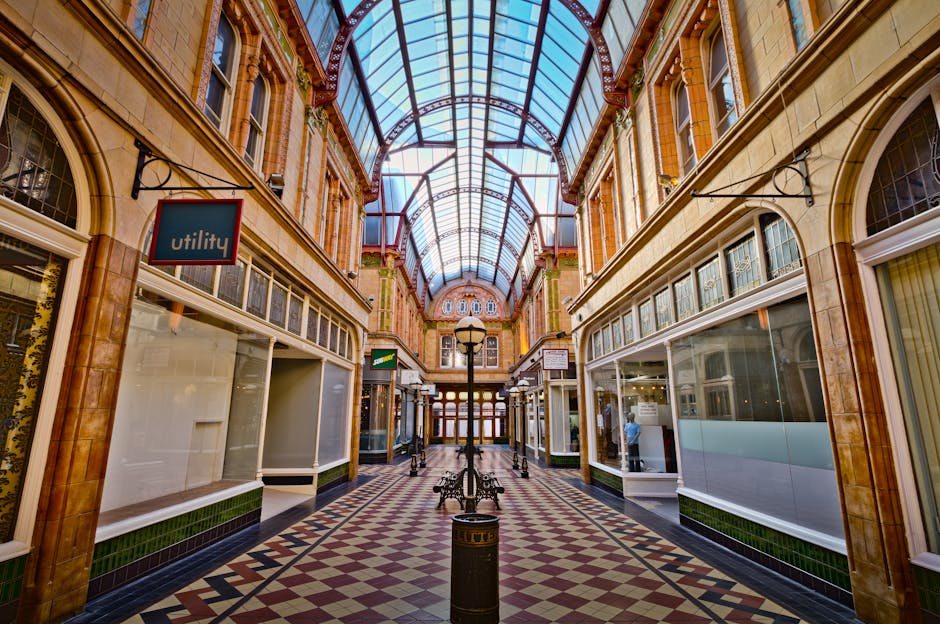
Colliers Wood High Street carpet cleaning guide for shops
Posted on 20/06/2026

Colliers Wood High Street Carpet Cleaning Guide for Shops
If you run a shop on or near Colliers Wood High Street, carpet care is probably one of those jobs that sits quietly in the background until it becomes a problem. Mud gets tracked in after a wet commute, stockroom traffic leaves dark lanes in the pile, and one spill near the till can hang around far longer than it should. This Colliers Wood High Street carpet cleaning guide for shops is designed to help you keep the place looking sharp, smelling clean, and feeling welcoming without turning carpet maintenance into a headache.
Truth be told, shop carpets take more punishment than many owners expect. Customers, delivery drivers, staff breaks, prams, umbrellas, coffee cups - it all adds up. The good news? A sensible cleaning routine can make a big difference to presentation, hygiene, and even the lifespan of your flooring. Below, you'll find a practical, local-minded guide that covers what matters, how the process works, where businesses usually go wrong, and when it makes sense to bring in professional help. If you also want to understand the wider service offer behind this kind of work, you can browse the site's services overview or read more about deep cleaning in Colliers Wood.
Why Colliers Wood High Street carpet cleaning guide for shops Matters
A shop floor does more than cover the ground. It shapes first impressions the moment someone walks in. A clean carpet suggests order, care, and professionalism. A tired, stained one can make even a well-stocked shop feel a bit neglected. And let's face it, customers notice these things faster than we think they do.
On a busy high street, carpets are exposed to a mix of grit, rainwater, road residue, and constant footfall. Near entrances, dirt settles into the fibres. In walkways, the pile gets flattened. In corners and under fixtures, dust builds up quietly. None of that is dramatic on its own, but together it can make a shop feel older, duller, and less comfortable.
There's also the practical side. Regular carpet cleaning helps reduce odours, keeps allergens from lingering in textile fibres, and slows down the wear that comes from embedded dirt acting like sandpaper. For shops that sell clothing, gifts, food accessories, beauty items, or anything premium, a fresh floor supports the overall brand experience. It is a small detail, but it carries weight.
Expert summary: In retail settings, carpet cleaning is not just about hygiene. It is part of the shop's presentation, customer comfort, and asset maintenance. The best results come from combining light daily care with scheduled deep cleaning, rather than waiting for visible damage to appear.
If your business sits within a mixed-use local area, you may also find it useful to read about nearby property and business context, such as why Colliers Wood appeals to residents or the broader local perspective in this guide to Colliers Wood as a hidden gem. It helps explain the kind of foot traffic and expectations businesses deal with here.
How Colliers Wood High Street carpet cleaning guide for shops Works
Shop carpet cleaning is usually a mix of inspection, pre-treatment, agitation, extraction, drying, and post-clean checks. The exact process depends on the fibres, the amount of soil, the age of the carpet, and how much interruption your business can tolerate.
First, the carpet is assessed. A technician looks at high-traffic zones, stain types, fibre sensitivity, and any problem areas such as gum spots, salt marks, or drink spills. That matters because wool blend carpet in a boutique needs a different touch from a synthetic corridor runner in a convenience shop. One size does not fit all. Not even close.
Then comes pre-treatment. This loosens dirt and breaks down residues from oils, sugary drinks, or general street grime. In many retail cases, that is the part that does the heavy lifting. After that, the carpet is agitated lightly or brushed so the solution reaches deeper into the pile. The main cleaning method may be hot water extraction, low-moisture cleaning, or a targeted spot-clean approach. The choice depends on the carpet and the time available for drying.
Drying is where a lot of shop owners get caught out. A carpet that feels "mostly dry" can still hold moisture below the surface, especially under mats or display units. Good airflow, careful scheduling, and the right cleaning method help avoid that damp, slightly stale smell that nobody wants near their front door.
In practice, the best commercial carpet cleaning plan for a shop usually combines:
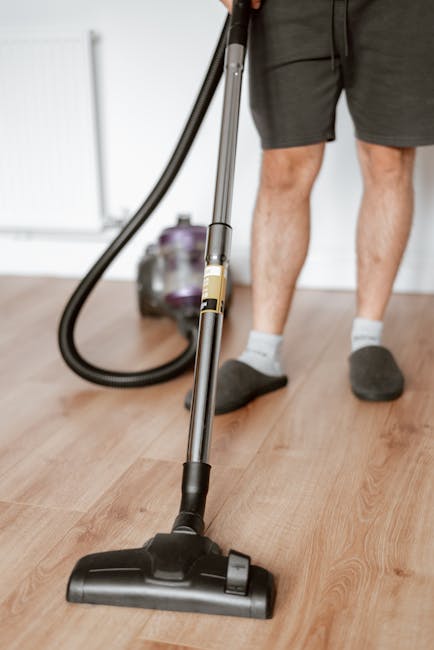
- daily debris removal and vacuuming
- prompt spot treatment for spills
- regular interim cleaning for traffic lanes
- periodic deep cleaning for the whole floor
Key Benefits and Practical Advantages
There are obvious benefits, and then there are the subtle ones. The obvious ones are cleaner carpets and fewer stains. The subtle ones can be just as valuable.
Better customer perception: People feel more comfortable in a shop that looks cared for. Clean carpets quietly support trust. You do not need to say anything; the floor already has.
Improved indoor freshness: Carpets can trap smells from wet shoes, packaging, food products, or stockroom dust. Regular cleaning helps stop the "lived-in" smell that creeps into small premises.
Longer carpet life: Embedded grit wears down fibres over time. Removing that dirt helps your flooring last longer, which is especially helpful in businesses where replacing carpet would mean disruption and cost.
Reduced slip and trip concerns near entrances: Clean, well-maintained floors are easier to manage alongside entrance mats and wet-weather routines. That matters on busy days, especially in winter.
Better housekeeping around displays: If your carpet is clean, the rest of the shop tends to look more organised too. It creates a helpful ripple effect. Strange but true.
Less stress before events or inspections: If you host product launches, seasonal promotions, or special openings, a fresh floor removes one thing from the to-do list. You can focus on the actual selling part.
For shops that also use seating areas, fitting rooms, or waiting corners, this kind of maintenance pairs neatly with upholstery cleaning in Colliers Wood. Clean carpets and clean seating together create a much stronger impression than either one alone.
Who This Is For and When It Makes Sense
This guide is for any shop owner, manager, landlord, or facilities lead who wants their commercial space to look looked-after without overcomplicating the job. It is especially relevant for:
- independent retailers with customer-facing carpeted areas
- boutiques and specialist shops
- salons and treatment rooms with textile flooring
- bookshops, gift shops, and stationery stores
- shops with back-of-house carpeted corridors or stock areas
- businesses preparing for a busy seasonal period
It also makes sense if you have noticed one of the usual warning signs: traffic lanes appearing darker than the rest of the floor, dullness that does not shift with vacuuming, recurring stains near the entrance, or a slightly stale odour after damp weather. If the carpet looks tired by mid-morning, it is probably telling you something.
There are times when a quick tidy is enough, and times when a proper clean is the better call. A small shop with light footfall may only need more intensive work every few months. A busy local premises with constant in-and-out traffic may need a more regular plan. It depends on the real use, not a generic schedule. That is the honest answer.
If your business is being prepared for a change in use, a handover, or a move, you may also want to look at end of tenancy cleaning in Colliers Wood or office cleaning in Colliers Wood for nearby commercial needs. They are not the same service, but the planning mindset is similar.
Step-by-Step Guidance
If you want a straightforward way to manage retail carpet cleaning, use this sequence. Nothing fancy. Just the stuff that works.
- Inspect the carpet properly. Walk the space in daylight if possible, or under strong lighting. Look at entrance zones, tills, aisles, changing areas, and anywhere staff stand for long periods.
- Identify the fibre and finish. Synthetic carpets are often more forgiving, while natural fibres can be more sensitive to moisture and cleaning chemistry.
- Vacuum thoroughly before any wet cleaning. Dry soil removal makes every later step more effective. Skipping this is like washing a car without rinsing off the mud first.
- Treat spots individually. Coffee, grease, sticky sweets, ink, and mud each need a different approach. Blotting usually beats rubbing, which people still do far too often.
- Choose the right method. Hot water extraction is common for deeper soil, while low-moisture methods can suit shops needing faster turnaround.
- Protect the shop layout. Move lightweight items, shield delicate fixtures, and plan access routes so cleaning doesn't disrupt trade unnecessarily.
- Clean in sections. This is especially useful in longer premises. It helps maintain a flow and reduces the chance of missed areas.
- Dry with care. Use airflow, avoid putting heavy fixtures back too soon, and keep foot traffic sensible until the carpet is fully dry.
- Check the result from customer level. Stand at the entrance and look inward. Then crouch near the floor, because that is where stains love to hide. Slightly annoying, yes, but effective.
- Set a maintenance rhythm. Build vacuuming, spot checks, and scheduled professional cleaning into the monthly shop routine.
A little routine goes a long way. You do not need perfection. You need consistency. That's usually enough.
Expert Tips for Better Results
The best carpet maintenance plans are simple, but they are not careless. A few small habits make a noticeable difference.
Use entrance mats properly. Not just any mat, and not one that sits crooked for weeks. A decent mat at the door catches grit before it grinds into the carpet. Clean the mat too, otherwise it becomes part of the problem.
Vacuum high-traffic lanes more often than the rest. That sounds obvious, but many shops vacuum evenly instead of strategically. The entrance and till area usually need more attention.
React fast to spills. The first five minutes matter more than a lot of people realise. Blot, do not scrub. If you can, isolate the area before customers walk it deeper into the pile.
Rotate displays where possible. It helps reduce the pattern of wear in one obvious strip. Even a small shift can keep the carpet looking more balanced.
Schedule cleaning around trading patterns. Early morning, late evening, or closed days are often best. In busier shops, think about the smell and the dry time as much as the cleaning itself.
Ask for a method suited to your carpet, not just a generic "deep clean". That phrase is useful in marketing, but in real life the details matter more: fibre type, moisture control, drying time, and stain history.
Keep a small incident log. If a drink spill keeps reappearing in the same area, or one patch always looks dirty, you may have a layout issue rather than a cleaning issue. Helpful little clue, that.
If your shop also includes curtains, window dressings, or display textiles, there can be value in reading the practical advice in this velvet curtain cleaning guide. It is a different fabric, of course, but the care mindset translates well.
Common Mistakes to Avoid
A lot of carpet damage comes from well-meant shortcuts. The usual mistakes are avoidable once you know what to watch for.
- Scrubbing stains hard. This can rough up the fibres and push the stain deeper.
- Using too much water. Over-wetting can cause slow drying, odour, or even underlay problems.
- Leaving a spill until closing time. By then, it has often already settled in.
- Ignoring the entrance area. That first metre of carpet usually tells the real story of the shop.
- Cleaning around obstacles forever. If fixtures never move, dirt builds up underneath and around them.
- Assuming all carpets respond the same way. They do not. Not even a little.
- Skipping a proper dry check. A carpet that feels cool can still be holding moisture.
Another common issue is using a cleaning product because it smells strong. Strong smell does not equal strong cleaning. Sometimes it just means more perfume and less actual result. Shop owners get sold on that trick all the time, to be fair.
Also, do not forget the outside-in effect. Wet pavement, delivery trolleys, and winter grit all show up indoors. If your entrance management is poor, the carpet will keep paying the price.
Tools, Resources and Recommendations
You do not need a warehouse of specialist gear to keep a shop carpet under control. A sensible toolkit usually covers most situations.
- Commercial vacuum cleaner with strong suction and suitable attachments
- Microfibre cloths for quick blotting and edge work
- Neutral carpet-safe cleaning solution for spot treatment, where appropriate
- Protective gloves for staff handling spill clean-up
- Wet floor signs or barriers to manage access during cleaning
- Air movers or fans to encourage drying where safe and practical
- Entrance mats that are easy to clean and replace
For planning and budgeting, many owners find it useful to review pricing and quotes information before booking anything. It helps set expectations, even if the final figure depends on carpet type, room size, and condition. If you are ready to talk through your exact premises, the simplest next step is usually to request a quote or use the site's contact page for a direct conversation.
It can also help to understand the wider service background and company standards. Pages such as about the company, insurance and safety, and the health and safety policy are worth reviewing when you want confidence in how a provider works.
Law, Compliance, Standards, or Best Practice
For shop owners, carpet cleaning is usually less about a single legal rule and more about sensible duty of care, cleanliness, and safe working practice. In the UK, businesses are generally expected to keep their premises reasonably safe and maintained for staff and visitors. That means paying attention to slip risks, obstructed walkways, drying areas, and the condition of flooring near entrances.
If cleaning is taking place during trading hours, practical control matters. You should think about access management, temporary signage, and whether staff or customers could be put at risk by wet surfaces or hoses. It also helps to use cleaners that are suitable for the carpet and the setting. A product that is fine in one environment can be a poor fit in another.
From a best-practice point of view, good providers should be clear about:
- what method they plan to use
- how long drying is likely to take
- what access or preparation is needed from you
- how they handle delicate fibres, stains, and fixtures
- what they do if a carpet has existing damage
You should also expect transparent terms around booking, payment, and any complaints process. Those details may not feel exciting, but they matter if you are organising cleaning around a trading week. The site's terms and conditions and payment and security pages are useful examples of the kind of information that should be easy to find. For transparency on data handling and website usage, there is also a privacy policy and cookie policy.
One more thing: if you manage a premises with public access, accessibility should always be part of the conversation. Cleaning should not create avoidable barriers, cluttered pathways, or confusing layouts. Small thing, big impact.
Options, Methods, or Comparison Table
Not every carpet needs the same treatment. Here's a practical comparison of common approaches for shop settings.
| Method | Best for | Pros | Watch-outs |
|---|---|---|---|
| Regular vacuuming | Daily maintenance and loose dirt | Fast, cheap, essential | Won't remove embedded grime or stains |
| Spot cleaning | Fresh spills and localised marks | Prevents stains setting in | Can spread marks if over-rubbed |
| Hot water extraction | Deep soil in durable carpets | Strong cleaning power, good for traffic lanes | Needs drying time and correct application |
| Low-moisture cleaning | Shops needing quicker turnaround | Faster drying, less disruption | May be less effective on heavy soil |
| Targeted maintenance plan | Busy retail spaces with mixed needs | Balances appearance and cost | Requires consistency and good scheduling |
For most shops, a combination works best. Vacuum often, spot clean quickly, and schedule deeper work before the carpet gets visibly grubby. Waiting until it looks dreadful is rarely the cheapest route. By then, the dirt has had a long chat with the fibres.
Case Study or Real-World Example
Imagine a small high street gift shop with a carpeted entrance, two aisles, and a till area that sees constant queueing on Fridays and weekends. At first glance the carpet still looks "fine". But by the front mat, the fibres have flattened. Around the till, there's a darker patch from repeated footfall. Near one shelf, a past drink spill has left a faint ring that no one mentions anymore because it has become part of the scenery.
The owner notices that the shop feels a bit dull after rainy days, especially in the afternoon when artificial lighting makes everything look softer and slightly tired. Customers are still coming in, but the space no longer feels as fresh as it should. Rather than replacing the whole carpet, the owner sets up a simple plan:
- daily vacuuming before opening
- quick response to spills during trade
- regular mat cleaning
- a deeper professional clean after the winter period
- staff reminders not to drag wet parcels or display stands across the floor
After cleaning, the visible change is obvious. The deeper change is less dramatic but more useful: the shop feels calmer and brighter, and the floor no longer pulls attention away from the stock. That is the sort of result you want. Not flashy. Just quietly better.
If the premises also hosts community events, small launches, or seasonal promotions, you may find related context in this piece on event spaces in Colliers Wood and in the local business perspective shared through selling homes in Colliers Wood. Different topics, yes, but the same underlying truth: presentation matters.
Practical Checklist
Use this before, during, and after carpet cleaning in your shop.
- Check the carpet type and condition
- Identify high-traffic lanes and entrance areas
- Vacuum thoroughly before any wet work
- Remove loose fixtures where practical
- Spot treat fresh spills quickly
- Protect nearby products, cables, and display units
- Choose a cleaning method that suits drying time needs
- Keep customers and staff away from wet areas
- Allow proper drying before replacing heavy items
- Inspect the result at customer eye level
- Record recurring stains or problem zones
- Set the next maintenance date before you forget
A tidy checklist keeps the job from drifting. And in a retail setting, drifting is usually how small maintenance problems become annoying ones.
Get a free quote today and see how much you can save.
Conclusion
A good carpet cleaning plan for a shop on Colliers Wood High Street is not complicated, but it does need thought. Focus on the areas customers actually walk through, deal with spills early, and treat deep cleaning as part of regular upkeep rather than a one-off rescue mission. That simple shift can improve appearance, reduce wear, and make the whole shop feel more welcoming.
For busy local businesses, the real win is consistency. Clean carpets quietly support everything else you are trying to do: sell products, keep standards high, and make the space feel worth visiting. It's one of those behind-the-scenes jobs that pays you back in the front of the shop.
And honestly, if the floor looks cared for, the rest of the business tends to feel cared for too. That's not nothing.